
This post is written by Karen, our Digital Communications Account Executive and will contain spoilers for Season 5 of Stranger Things and the accompanying documentary: One Last Adventure: The Making of Stranger Things 5.
In this article
- The documentary revealed that the ending was written as they filmed
- This isn’t just a creative problem… it’s a PR one, too
- Should we never want transparency, then?
- There are plenty of lessons to be learned about PR and narrative
- For Netflix and the Stranger Things team, the lesson from this should be clear.
It’s the end of an era – Stranger Things wrapped on December 31st, and fans tuned in, hoping for answers after ten years… but did we really get them? Massive plot holes remained (who opened THAT door in Season 1?), and some fan-favourite characters, like Suzie, were noticeably absent. For many, including me, the finale felt… underwhelming.
The release of the documentary One Last Adventure: The Making of Stranger Things 5 offered hope for answers. Fans even whipped up wild theories (I admit, I was hooked on the Conformity Gate theory – it’s worth a deep-dive!), but instead of clarifying the story and showing us exciting behind-the-scenes footage, the documentary shifted the conversation surrounding the series dramatically… in the wrong direction.
What should have been a celebratory, nostalgic moment became, in PR terms, a cautionary tale about transparency.
The documentary revealed that the ending was written as they filmed
The biggest story to come from the Netflix documentary isn’t the nostalgia or sharing how impressive the production was… it’s the very candid admission that the creators began filming the show’s finale without a completed script.
Co-creator Matt Duffer openly acknowledges that the script for Episode 8 was unfinished well into production, and that the crew and cast were essentially making up parts of the story as they went along.
For us fans, this wasn’t just interesting behind-the-scenes trivia – it was proof, in our eyes, that the much-anticipated ending wasn’t carefully planned out and scripted from the start, despite repeated marketing and creator claims otherwise.
This admission has quickly become the PR story, overshadowing any intended celebration of craft.
This isn’t just a creative problem… it’s a PR one, too
From a communications perspective, what Netflix inadvertently did with the documentary was validate the very criticisms many fans had been sharing online:
- That the finale felt rushed or unfinished – because it was rushed!
- That storytelling choices were influenced more by circumstance than creative intent – “we were being pressured by Netflix”…
- That the crew and cast didn’t have full confidence in the ending all along – you can definitely see it on their faces in some of the shots.
Even if production realities (like drafting scripts during filming) can be a common occurrence in a series, fans don’t want to hear it, especially when they feel emotionally let down by a story’s conclusion. What might have been a genuine admission in the documentary with the intention of being transparent became fuel for social media narratives that the creators themselves had “lost the plot.”
This is fundamentally a PR failure, not a production quirk. They had 12 days post-finale to gauge the fan response and see that it might not be such a good idea to release a documentary that basically confirmed that they went into the final series with very little to go off – plot direction or script.
When your audience feels the ending didn’t live up to the decade-long arc, handing them a documentary that frames that conclusion as improvisational is like pouring petrol on the fire.
Should we never want transparency, then?
Netflix and the Duffers likely intended the documentary to boost engagement – to transparently showcase the artistry, the camaraderie, the effort in production, the “emotional end of an era”…
Instead, in the eyes of many fans, its acted as proof for the lacklustre feeling that we felt after Episode 8.
- If you already felt the finale was weak – “look, even they didn’t know what they were doing!”
- If you were disappointed – “This explains why it felt clumsy.”
- Even simply… “Why would you show this?” at various points
That’s the danger of transparency without strategic framing.
Don’t get me wrong, honest admissions from creators are valuable, but not when they reinforce uncertainty about a project that has so much anticipation and promise built on it. Promises that the creators themselves were heard to give to the fans.
There are plenty of lessons to be learned about PR and narrative
As Cumbria’s leading PR agency, we know that great PR isn’t just about telling a good story.
It’s about ensuring the narrative aligns with your target audience’s expectations and the emotional investment that they have/will have in your product.
In this instance:
The documentary lacks the framing that would help the audience actually see and understand that writing challenges can be part of the creative process, rather than evidence of cramming something together just to have an ending because they were “under pressure”.
Admitting uncertainty about the ending without offering deeper insights into why certain emotional or directional choices were made (or not) left fans feeling defensive about the characters and the story trajectory they were on, rather than invested in what would happen to them in the world the finale created.
Without clear messaging, social media fan narratives quickly took over – and those narratives are now defining the finale’s legacy more than the episode itself, with many fans offering what others see as a more fitting ending for their favourites.
For Netflix and the Stranger Things team, the lesson from this should be clear.
When your audience already has strong feelings about your story, what you reveal matters just as much as what you create.
We’re in the era of social media, where fans will organically come together to chat and hype the series up. Even behind-the-scenes and genuine transparency must be carefully curated.
In this case, their attempt to celebrate the decade-long journey turned into a PR misstep that confirmed fan fears, fuelled backlash, and changed the conversation from emotional farewell to reputational crisis, especially for the directors.
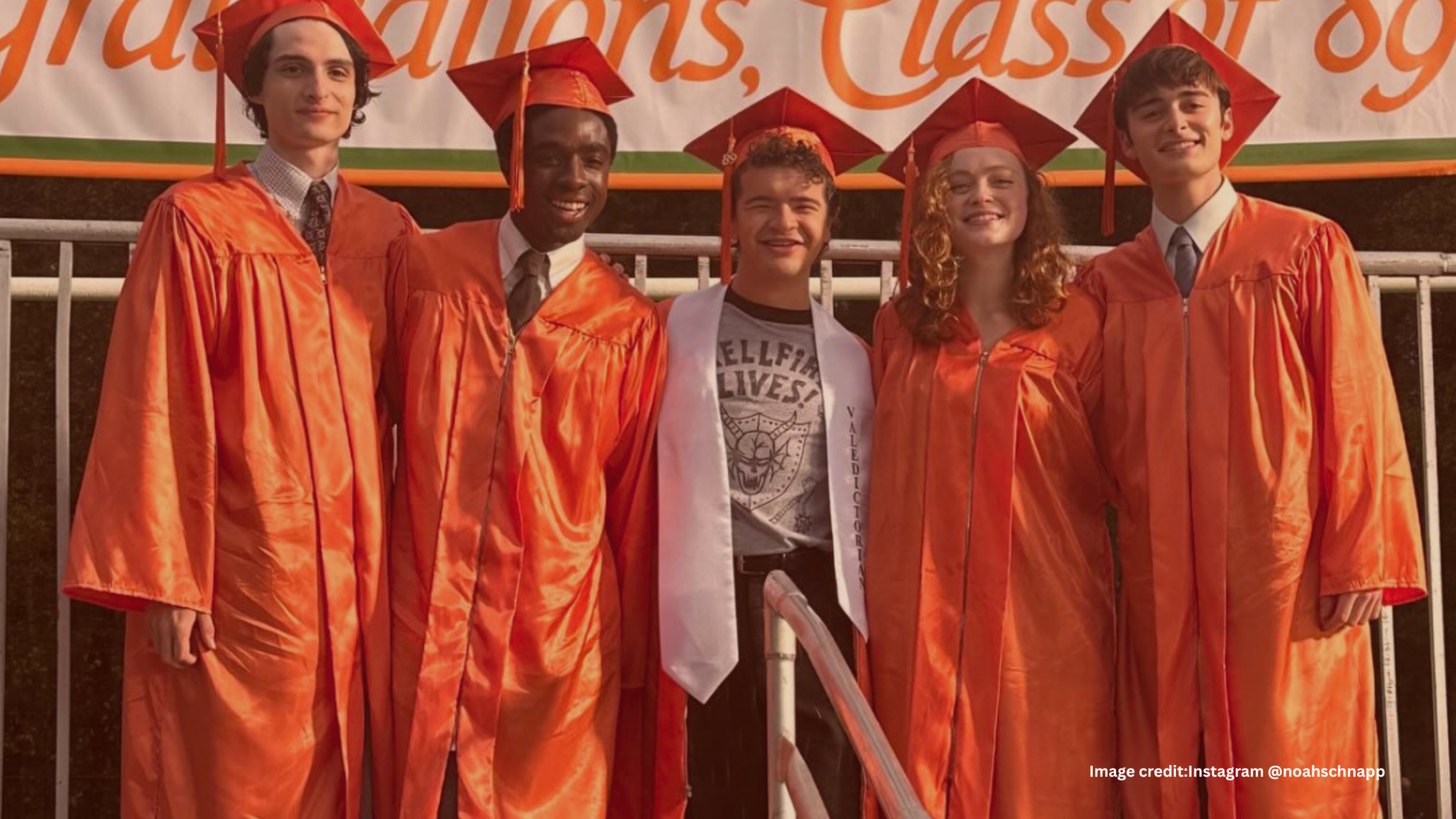
Banner image credit: @noahschnapp on Instagram